







Search Results for: roasting suggestions
A Beginner's Guide to Everyday Coffee Beans: Flavor Analysis of Eight Classic Origins and Tips for Choosing Espresso Beans
Friends who are just getting into coffee often ask: What are "staple beans"? Why are they called that? For beginners, facing a dazzling array of coffee varieties, they often don't know where to start—they want to try different flavors, but worry about wasting money if they buy too much. Staple beans, with their small packaging, affordable price, and diverse varieties, happen to solve this problem. Front Street Coffee has selected the most representative flavor beans from major producing regions around the world and launched a 100g tasting-size staple bean series, covering eight classic origins including Ethiopia Yirgacheffe, Indonesia Mandheling, and Costa Rica Tarrazu. This article will analyze each bean's origin background, variety characteristics, and brewing suggestions one by one, and further explore the selection logic and blending options for espresso beans, helping coffee lovers find the cup that suits them. [more…]
Drip Bag Coffee Shelf Life and Peak Flavor Period Explained: Brewing Water Temperature, Key Parameters, and Whether It Can Be Reused
Drip bag coffee, with its dual advantages of convenience and flavor, has become a daily choice for many coffee lovers. But how long can a pack of drip bag coffee actually be stored? How should it be brewed to restore the best taste? Can the same drip bag be brewed repeatedly? This article will explain item by item the shelf life and optimal flavor period of drip bag coffee, the drinking time limits for different roast levels, brewing water temperature and parameter adjustments, as well as tips for judging freshness. It will also address the misconception of repeated brewing and include complete drip bag brewing steps to help you consistently brew a delicious cup of black coffee at home. [more…]
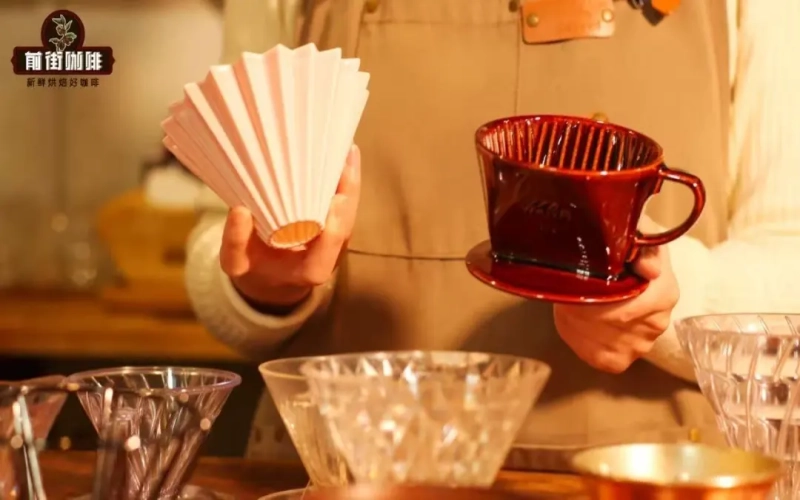
Pour-Over Coffee Dripper Selection Guide: Brewing Parameters and Pairing Suggestions for Light and Dark Roast Beans
In pour-over coffee, the choice of dripper is often overlooked by beginners, but it actually directly affects extraction time, method, and ultimately the flavor in the cup. Drawing on everyday brewing experience, Front Street Coffee offers dripper pairing suggestions for coffee beans of different roast levels. Light-roasted beans suit fast-flow conical drippers like the V60 to highlight floral and fruity aromas and layering; dark-roasted beans are better matched with slow-flow drippers like the Kono to enhance body and sweetness. The article also uses Granja Geisha and PWN Golden Mandheling as examples, listing specific parameters such as dose, ratio, grind size, and water temperature in detail for coffee enthusiasts' reference. [more…]
Tanzania Kilimanjaro Peaberry Pour-Over Guide: Flavor Characteristics, Roasting Points, and Brewing Suggestions
Looking for a coffee bean that's perfect for pour-over and offers layered, complex flavors? Kilimanjaro Peaberry from Tanzania in East Africa is worth your attention. This small-bean coffee, grown in the high-altitude volcanic soil around Africa's highest peak and processed using the washed method, presents creamy chocolate, dried plum, and citrus-like bright acidity, with a tea-like finish and a sweet stone-fruit aftertaste. Peaberries, due to special reasons in pollination or nutrient distribution, account for only 5% to 10% of coffee production. They are oval and compact in shape, heat more evenly during roasting, and are especially suited to a light roast that showcases delicate acidity. This article will guide you through the origin background of Kilimanjaro Peaberry, its biological causes, its flavor profile, and the pour-over experience and roasting suggestions for this bean from Front Street Coffee. [more…]
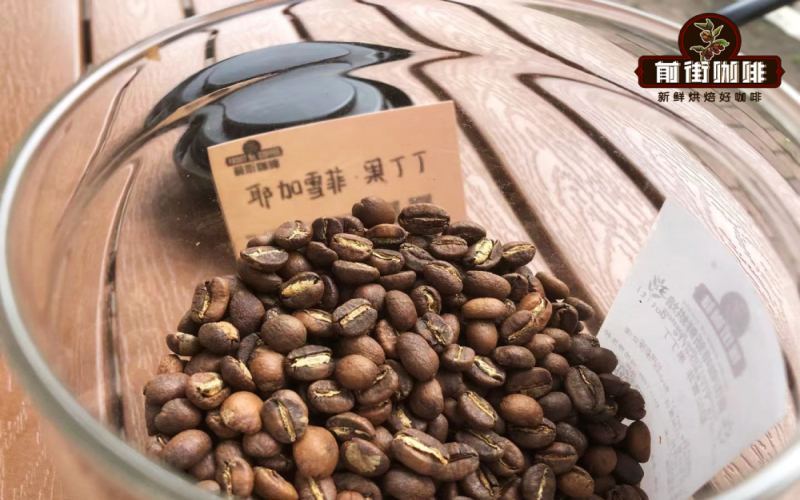
How Is Mandheling Different from Yirgacheffe? An Analysis of Golden Mandheling Coffee Bean Flavor and Mouthfeel
Faced with a dazzling array of coffee beans, how do you choose the one that suits your taste? Front Street Coffee often recommends coffee beans to guests based on two main directions: acidity and body: the representative known for acidity is Yirgacheffe, while the representative known for body is Indonesia Sumatra Mandheling. This article will introduce the flavor performance of these two styles of coffee beans respectively, covering specific beans such as Yirgacheffe Gutingting, Kenya Little Tomato, Brazil Queen Estate, and PWN Golden Mandheling, and will also include Front Street Coffee's roasting suggestions and brewing parameters to help coffee lovers choose and taste with more direction. [more…]
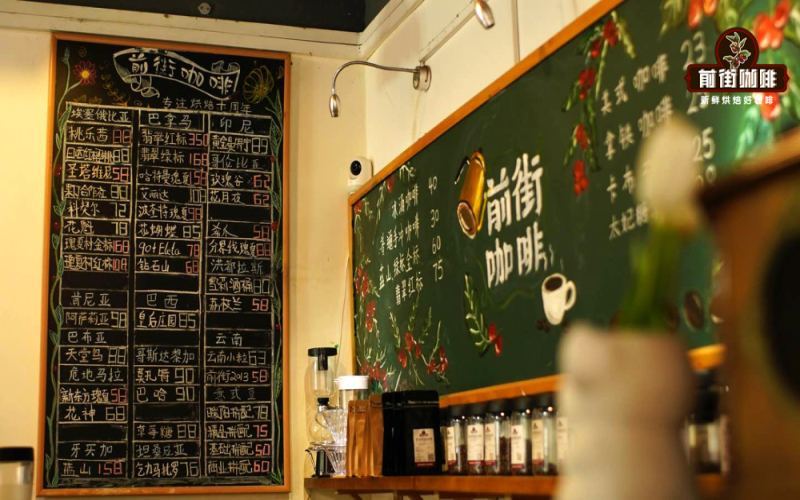
An Analysis of the Flavor Differences Between Mandheling and Yirgacheffe: Why Does Golden Mandheling Stand Out More in Its Rich Bitterness?
In the world of specialty coffee, acidity and body are often seen as two distinct flavor directions, and Yirgacheffe and Mandheling are precisely the representatives of these two styles. Front Street Coffee stores year-round display more than thirty kinds of coffee beans from producing regions around the world. Faced with such a rich selection, many customers ask the staff to help them choose beans suited to their own taste. Front Street usually first asks whether the customer prefers acidity or body, and then makes recommendations accordingly. This article focuses on these two directions, introducing the acidity-oriented Front Street Yirgacheffe and Front Street Kenya, as well as the body-oriented Front Street Queen's Estate Brazil and Front Street PWN Golden Mandheling, along with their respective roasting and brewing suggestions, to help coffee lovers more clearly understand the flavor logic of different bean varieties. [more…]
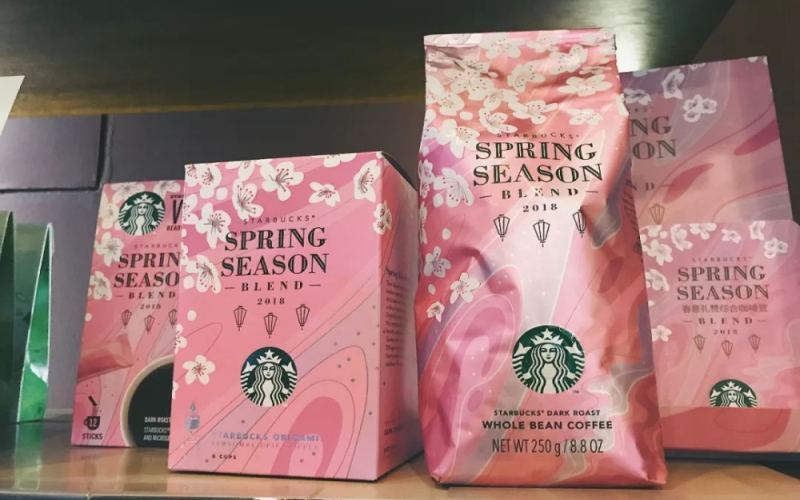
Starbucks Spring Day Blend Coffee Beans: From the Cherry Blossom Meaning on the Packaging to the Flavors of Four Origins and Brewing Suggestions
Starbucks' annually spring-limited Spring Blend whole bean coffee is a medium-roast coffee that blends the characteristics of four producing regions. This article begins with the evolution of its packaging design—from elaborate cherry blossoms to simple pale pink—then delves into the flavor contributions of Colombia, Sumatra, Papua New Guinea, and Ethiopia, and finally offers practical brewing parameters for grind size and water temperature. For coffee lovers who enjoy exploring the layered complexity of blends, this coffee offers both a springtime image and solid performance in the cup. [more…]
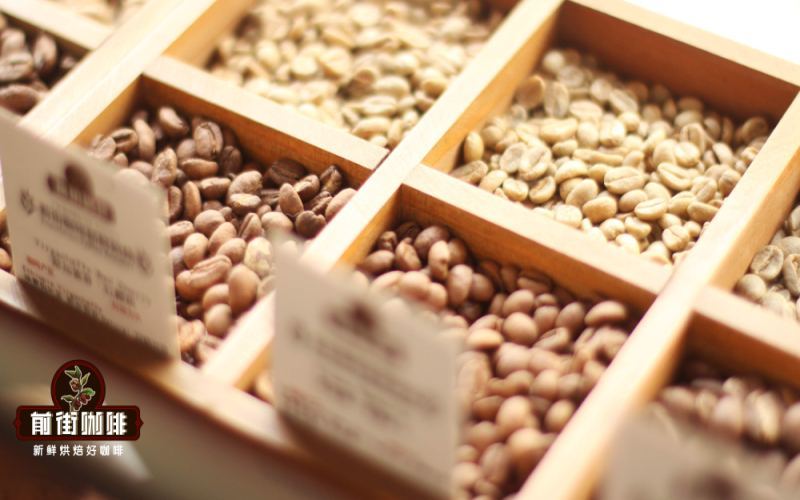
Ethiopia Sidamo Washed Coffee Bean Flavor Characteristics, Huakui Estate Origin and Brewing Suggestions
The Sidamo producing region is located in the southern highlands of Ethiopia, bordering Kenya, and is a famous specialty coffee origin. The terrain here is diverse, the volcanic soil is fertile, and soil fertility is maintained through the cycling of organic matter, creating a rich diversity of coffee flavors. Front Street Coffee's Sidamo green beans are grayish-green, with uneven bean sizes, an acidity that is both soft and intense, a medium body, and notes of sweet spice. The washed process displays citrus notes, nutty creaminess, and a slight cocoa aroma, with a smooth and syrupy mouthfeel; the bright lemon-like fruit acidity and gentle entry create a strong impact, with a distinctive sweet aftertaste. The natural process, by contrast, is closer to floral notes, rich in fruity sweet-and-sour flavors, and delicate in texture. A light-to-medium roast is suitable for single-origin brewing, while a medium-dark roast can be used for blended coffee or as an Espresso base. This article will introduce in detail the flavor of washed Sidamo, the origin of the Hualei estate, the processing methods, and brewing suggestions. [more…]
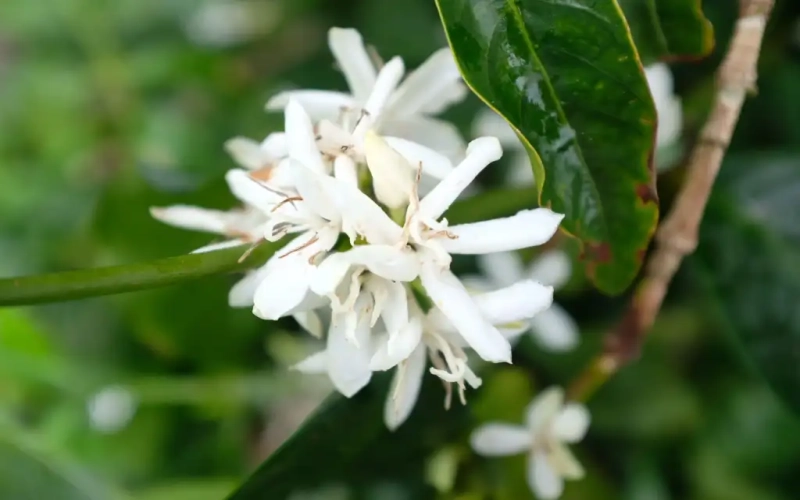
An In-Depth Look at Ethiopia's Coffee Cultivation Models and Grading System, with Notes on Yirgacheffe Flavor and Front Street Brewing Suggestions
Ethiopia is widely recognized as the birthplace of coffee, and its coffee production and quality hold an important place globally. This article will introduce Ethiopian coffee culture, cultivation models, variety overview, processing methods, and grading systems, with a focus on analyzing the classic flavors of Yirgacheffe. Regarding the roasting and brewing of Yirgacheffe, Front Street Coffee also provides specific recommendations and parameter references to help coffee enthusiasts gain a more comprehensive understanding of this region and better showcase its delicate acidity and floral-fruity aromas in daily brewing. [more…]
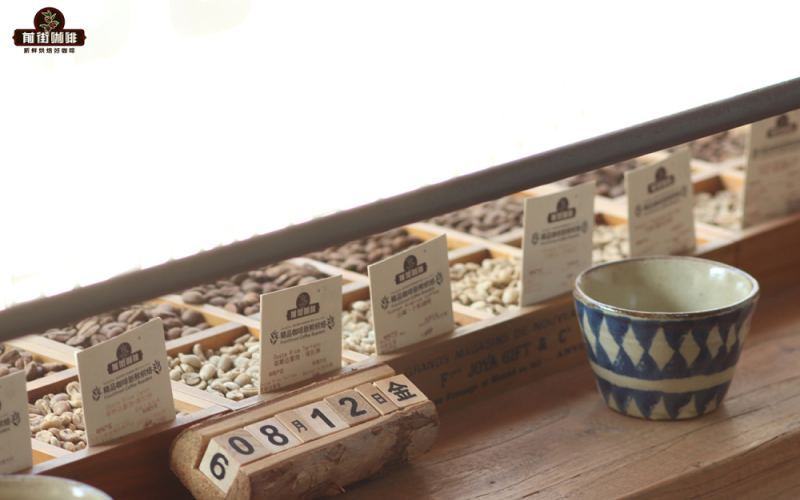
Flavor Analysis of Costa Rica Geisha Blend Coffee Beans: Mirazu Estate Raisin Honey Processing and Brewing Suggestions
Costa Rica, as a neighboring country of Panama, was also an important transit point for the Geisha variety's introduction into Panama. After Geisha shone brightly at Panama's BOP, Costa Rica also began to attach importance to this variety. This time, Front Street Coffee introduces a Costa Rican Geisha blend coffee bean from Mirazu Estate. The estate is located in the Tarrazu region and was independently founded by Esteban Sanches, a member of the original La Candelilla Estate family. This blend contains 50% Geisha, along with ET47, SL28, and MAICO, and is processed using the raisin honey method, with a medium-light roast. The cupping flavors are rose, strawberry gummy, raisin, and almond, and Front Street Coffee calls it "Strawberry Candy." The following sections will provide a detailed analysis of its variety background, processing method, roasting approach, and brewing parameters. [more…]
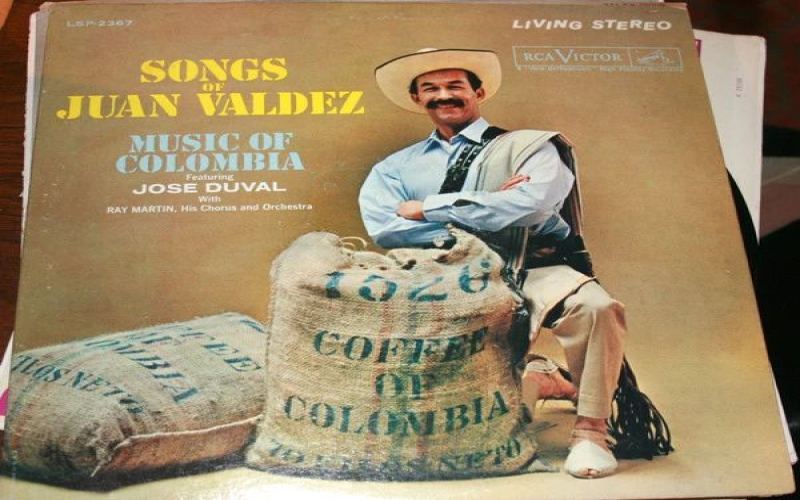
A Complete Flavor Guide to Colombia's Coffee Regions: Bean Characteristics from Huila to Cauca and a Guide to Brewing Sidra by Hand
Colombia is one of the few single-origin coffee producers in the world named after its country. Thanks to the superior terroir of the Andes and the meticulous farming of smallholders, it nurtures specialty coffees with diverse flavors. This article systematically reviews Colombia's main producing regions—Santander, Antioquia, Tolima, Huila, Cauca, and Nariño—covering their geography, climate, processing methods, and the flavors of representative beans, and focuses on the origins of the Sidra variety and the competition-grade performance of Finca El Diviso. It also includes Front Street Coffee's pour-over parameters and roasting suggestions for several Colombian beans, providing coffee lovers with a complete reference from understanding producing regions to brewing practice. [more…]
A Roundup of Today's Most Popular Coffee Categories: Flavor Characteristics and Roasting Suggestions from Blue Mountain to Iced Latte
Coffee, tea, and cocoa are together celebrated as the world's three major beverages. The coffee tree is an evergreen small tree belonging to the Rubiaceae family. The coffee we drink daily is made by extracting the beans from the fruit of the coffee tree, roasting them appropriately, and then brewing them with various devices. There are many popular coffee varieties on the market, each with its own distinctive flavor. This article will systematically cover classic single-origin coffees such as Blue Mountain, Cuba Crystal Mountain, Colombia Supremo, Brazil Santos, Mandheling, Mocha, Hawaii Kona, Java, Guatemala, and Kilimanjaro, as well as flavored preparations like milk coffee, Viennese iced coffee, and iced latte, along with their suitable roast levels and taste characteristics, making it easy for coffee lovers to choose according to their preferences. Front Street Coffee will also provide you with a stable supply of beans and roasting recommendations. [more…]

French Press Coffee Brewing Guide: Parameter Settings and Recommended Coffee Beans
The French press is easy to use and extremely common in European and American households, but many people in China only treat it as a tea-making tool. In fact, coffee brewed with a French press is no less flavorful than pour-over, and it can make more than two servings at a time, making it very suitable for relaxed home enjoyment. Front Street Coffee has always recommended the French press as the top choice for beginners who want to make coffee at home. However, the French press seems simple, but if you want to brew a good-tasting cup, parameters such as grind size, steeping time, water temperature, and coffee-to-water ratio all need attention, and there are also particular considerations when choosing beans. Below, Front Street will give specific suggestions one by one to help you avoid common pitfalls and easily make a cup of rich, balanced French press coffee. [more…]
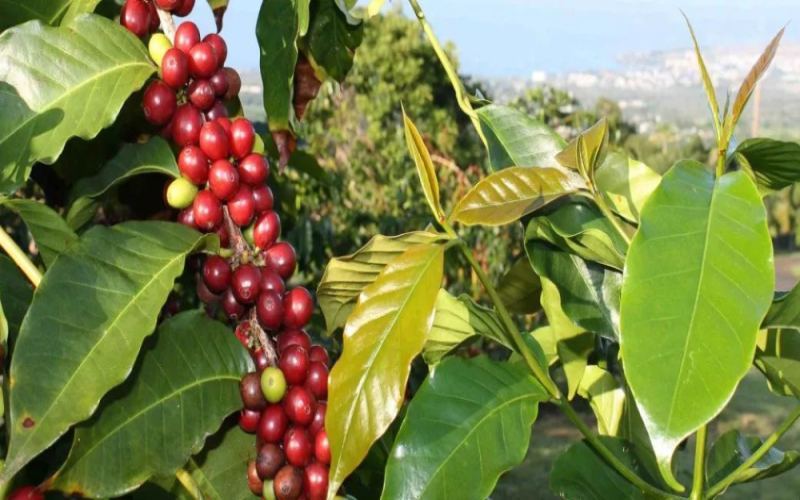
Caturra Coffee Bean Flavor Analysis: Taste Characteristics and Brewing Suggestions of a Single-Gene Bourbon Variant
Caturra is an important single-gene mutation within the Bourbon family, and thanks to its exceptional adaptability and high-yield characteristics, it has become a leading variety in coffee-producing countries across Central and South America. From its discovery in Brazil to widespread cultivation in Colombia and Costa Rica, Caturra occupies a key position in the specialty coffee landscape. This article provides a detailed overview of Caturra's origins, spread, and flavor profile, and, drawing on Front Street Coffee's cupping experience, analyzes the taste differences under natural and washed processing. It also introduces the producing region information, flavor description, and brewing parameters of Front Street Coffee's Colombia Huila staple beans, offering coffee enthusiasts practical references for tasting and brewing. [more…]
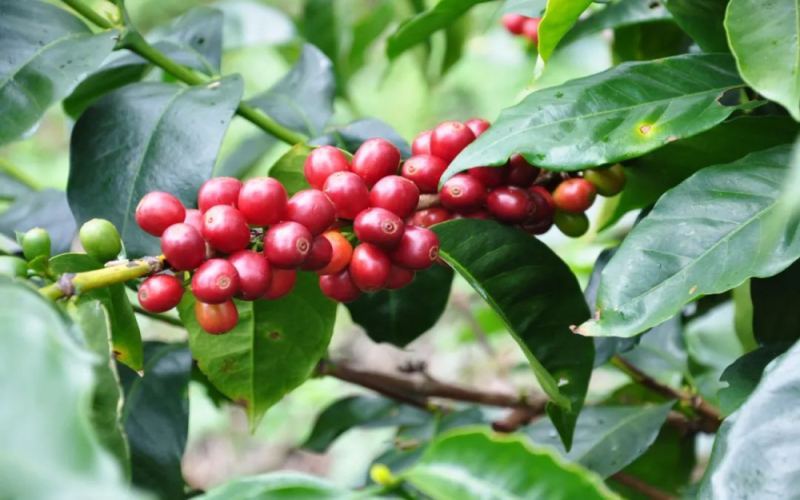
An Analysis of Panama's Specialty Coffee Regions: Flavor Profiles and Roasting Suggestions for Boquete and Volcán
Although Panama is a small country, it has become a shining star in the specialty coffee world thanks to its two major regions, Boquete and Volcán. Boquete sits on the fertile soils and microclimates beneath Volcán Barú, giving rise to top varieties such as Geisha; Volcán, with its extremely high altitude and mixed fruit-growing model, endows coffee with rich fruity aromas and sweetness. This article provides a detailed overview of the terroir conditions, representative bean varieties, and Front Street brand recommendations of these two regions, and analyzes how different roast levels affect flavor expression, offering coffee lovers a complete understanding from origin to cup. [more…]
Red Bourbon Coffee Beans from the South Minas Region of Brazil: Flavor Characteristics and Brewing Suggestions for the Pulped Natural Process
Brazil, as the world's largest coffee producer, is known for the red bourbon coffee beans from its South Minas region, which feature nutty and chocolatey notes with a low-acid, full-bodied taste. In Front Street Coffee's daily drink series, this Brazilian red bourbon is processed using the semi-washed method, presenting a rich flavor profile of nuts, chocolate, cream, peanuts, and caramel. This article will introduce the terroir conditions of the South Minas region, the characteristics of the red bourbon variety, the processing features of the semi-washed method, as well as Front Street Coffee's roasting analysis and brewing suggestions, helping coffee enthusiasts gain a comprehensive understanding of the charm of this classic Brazilian coffee. [more…]
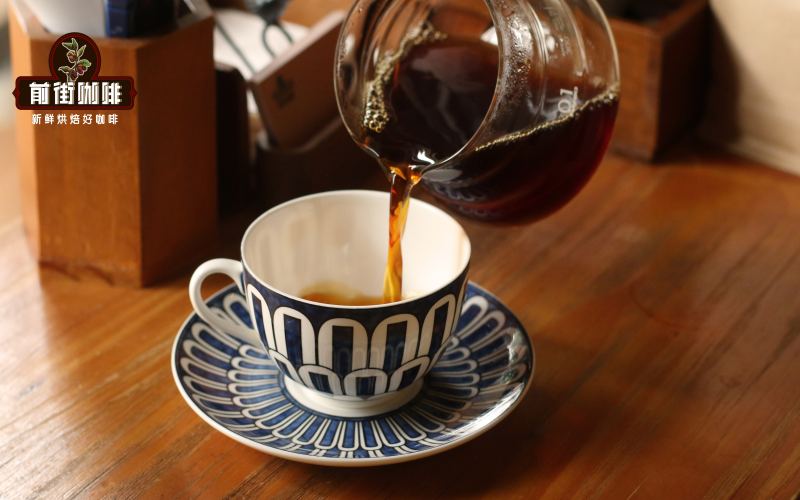
What's the difference between Green Mountain Coffee and Blue Mountain Coffee? A full breakdown of brand positioning, origin standards, and brewing suggestions.
Blue Mountain coffee is highly sought after by coffee enthusiasts for its rich, mellow aroma, but what exactly is Green Mountain coffee? Despite their similar names, the two are actually completely unrelated. Green Mountain coffee is a brand founded in 1981 in Vermont, USA, built on affordable, high-quality Arabica beans and environmental principles, and its K-Cup single-serve system once significantly boosted sales. Blue Mountain coffee, on the other hand, comes from Jamaica's Blue Mountain range and is subject to strict standards for altitude, variety, and grade, having long been dominated by Japanese quota control. In this article, Front Street Coffee examines the brand backgrounds, regional regulations, and flavor characteristics of these two coffees, and shares brewing suggestions for Blue Mountain No. 1. [more…]
The Complete Guide to French Press Coffee: Bean Selection, Ratios, and Starbucks French Press Brewing Tips
The French press is easy to operate and produces a rich, full-bodied brew, making more than two servings at a time—a hassle-free choice for home brewing, which is why Front Street Coffee often lists it as the top beginner-friendly device. This article focuses on the French press: first explaining its construction and the principle of immersion extraction, then offering parameter recommendations such as grind size, steeping time, water temperature, and coffee-to-water ratio (e.g., about 4 minutes for light-to-medium roasts, about 3 minutes 30 seconds for medium-to-dark roasts, water temperature of 92–94°C or 89–90°C, and a coffee-to-water ratio of 1:16). It then answers which coffee beans are better suited to the French press and recommends a bean list including Front Street Coffee Golden Mandheling, Queen's Estate, Bird of Paradise, Huilan, as well as Strawberry Candy, Mozart, and Sidra. Finally, it reminds users that the metal filter needs to be disassembled and cleaned promptly to avoid oil oxidation affecting the flavor. [more…]
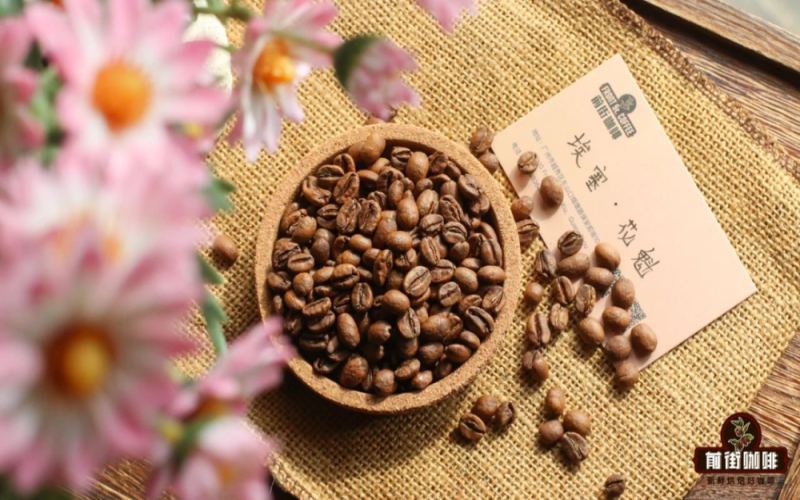
Analysis of the Flavor Characteristics of Huakui Coffee and Buying Suggestions for Fresh, Great-Tasting Natural Process Beans
The name Geisha itself carries a hint of floral and fruity aroma. As a high-quality natural-process coffee from the Hambela region of Ethiopia, it comes from the southwestern highlands, like many Ethiopian beans, and after brewing, its floral and tropical fruit notes stand out remarkably, leaving an unforgettable aftertaste that has made it one of the favorite specialty coffees for many people. However, with such fame, all kinds of "Geisha" products have popped up on the market. To pick the one that is truly fresh and delicious, you need to consider several aspects, including origin information, roast date, and roaster selection. Below, we will discuss the key points for buying Geisha coffee from the perspectives of origin and processing plant, freshness control, roast level, and brand channels. [more…]
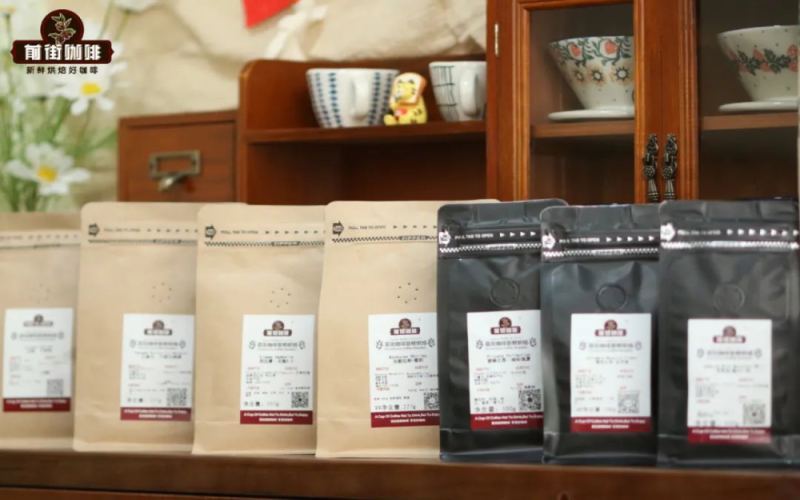
Yunnan Typica Coffee Flavor Analysis and Home Pour-Over Guide: From Variety Characteristics to Brewing Suggestions
Yunnan coffee has been steadily gaining attention in recent years, and many local young people have devoted themselves to promoting their hometown's coffee. Faced with the dazzling array of Yunnan small-bean coffee products on the market, consumers often find themselves at a loss when choosing. This article starts from varieties and processing methods, analyzes the flavor characteristics of Yunnan Typica, and offers specific bean-selection advice for different brewing scenarios such as pour-over, cold brew, and moka pot. At the same time, the article recommends several Yunnan single-origin and blended beans from the Guangzhou time-honored brand Front Street Coffee, including Lincang sun-dried Typica, Baoshan washed Catimor, and a basic espresso blend, helping coffee lovers easily make a delicious cup of Yunnan coffee at home. [more…]